


Apicoectomy
What Is an Apicoectomy?
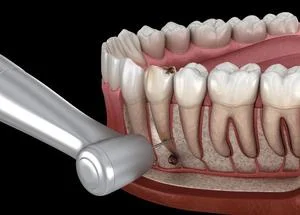
An apicoectomy is a surgical procedure in which the chronic infection at the tip of a tooth root is cleaned and the root end is resected. This treatment is performed to save a tooth from extraction when standard root canal treatment or retreatment has proven insufficient.
Lesions such as granulomas or cysts that form at the root tip may not heal despite root canal treatment. In such cases, the infected root tip and surrounding pathological tissue are surgically removed through an apicoectomy. A retrograde filling is placed at the root end to prevent reinfection of the canal.
An apicoectomy preserves the tooth and keeps it functionally in the mouth. It is a particularly preferred method for teeth that have existing bridges or crowns, as it allows the prosthesis to be preserved.
- The procedure takes 30 to 60 minutes under local anesthesia
- The infected root tip and surrounding pathological tissue are completely removed
- A retrograde filling prevents reinfection of the root
- Sutures are placed after the procedure and removed after 7 to 10 days
Who Is This Treatment For?
Who Is a Candidate for an Apicoectomy?
An apicoectomy is performed on patients who have persistent root tip infection despite root canal treatment, in whom a lesion at the root tip is detected radiographically, and where preserving the tooth is the goal.
For teeth with existing bridges or implant-supported prostheses, the infection can be treated without removing the prosthesis. This treatment is not suitable for teeth with root fractures, advanced bone loss, or poor periodontal prognosis.
Frequently Asked Questions
Is an apicoectomy a painful procedure?
Since the procedure is performed under local anesthesia, no pain is felt during the operation. Mild pain and swelling may occur for a few days afterward, which is managed with prescribed pain relievers and antibiotics.
How long does a tooth last after an apicoectomy?
After a successful apicoectomy, the tooth can remain functional for many years. Regular check-ups and good oral hygiene significantly extend the lifespan of the tooth.
Can an apicoectomy be performed on every tooth?
Apicoectomies are generally more successful on front teeth and premolars. For molars, the treatment plan is individually assessed due to the complexity of the root structure.
Can I have an apicoectomy instead of root canal treatment?
An apicoectomy is not an alternative to root canal treatment but rather a complement to it. Root canal treatment or retreatment is attempted first; an apicoectomy is performed when these methods are unsuccessful.
This page is for general informational purposes only and does not constitute medical advice. Always consult a qualified dental professional before starting any treatment.