


Tooth Sensitivity Treatment
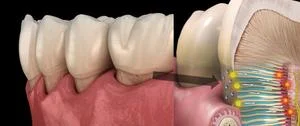
Tooth sensitivity is a sharp, short-duration pain that occurs when teeth come in contact with hot, cold, sweet, or acidic foods. It typically results from thinning of tooth enamel or gum recession, which exposes the dentin tubules. These tubules transmit stimuli to the nerve endings, causing discomfort.
Treatment is determined by the underlying cause of sensitivity. In mild cases, desensitizing toothpaste and professional fluoride application may be sufficient. Laser therapy is an effective option for sealing dentin tubules. For sensitivity caused by gum recession, cervical fillings or gum surgery may be planned.
For sensitivity due to enamel erosion, bonding or porcelain veneers can protect the tooth surface. In cases caused by bruxism, a night guard is recommended.
Who Is This Treatment For?
Tooth sensitivity treatment is suitable for anyone who experiences discomfort when consuming hot or cold foods. Individuals with gum recession, enamel erosion, teeth clenching or grinding habits, and acidic diets are more susceptible to sensitivity. Those experiencing temporary sensitivity after teeth whitening can also benefit from treatment.
Frequently Asked Questions
What causes tooth sensitivity?
Tooth sensitivity usually results from enamel thinning, gum recession, decay, cracks, or aggressive brushing that exposes the dentin layer. Acidic foods and teeth whitening procedures can also cause temporary sensitivity.
Is tooth sensitivity treatment permanent?
Treatment generally provides lasting results. However, sensitivity may return if the underlying cause is not addressed (for example, if aggressive brushing continues). Proper oral care and regular check-ups help maintain results.
Which toothpaste should I use for sensitive teeth?
Desensitizing toothpastes containing potassium nitrate or strontium chloride are recommended. With regular use, these toothpastes seal dentin tubules and reduce sensitivity. Your dentist can recommend the right product for you.
This page is for general informational purposes only and does not constitute medical advice. Always consult a qualified dental professional before starting any treatment.