

Gum Recession Treatment
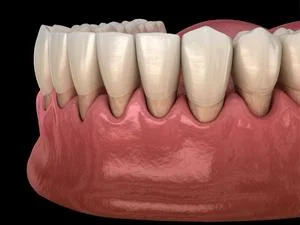
Gum recession is the condition where gum tissue recedes toward the tooth root, exposing the root surface. This can cause aesthetic concerns as well as tooth sensitivity, root decay, and further tissue loss. Aggressive brushing, gum disease, teeth grinding, and orthodontic factors are among the primary causes.
Treatment involves different surgical techniques depending on the degree of recession. Methods such as free gingival graft, connective tissue graft, or coronally advanced flap are used to cover the exposed root surface. A thin tissue graft taken from the palate is placed and sutured at the recession site.
After successful treatment, both aesthetic appearance and root surface protection are improved. Proper brushing technique instruction helps reduce the risk of recurrence.
Who Is This Treatment For?
Gum recession treatment is recommended for patients with exposed roots and sensitivity. Individuals with aesthetic concerns, those whose teeth appear elongated, or those at risk for root decay are candidates for surgical treatment. People experiencing recession due to aggressive brushing or bruxism also benefit from treatment. Overall health must be suitable for surgical intervention.
Frequently Asked Questions
Can gum recession heal on its own?
No, gum recession does not reverse on its own. Professional treatment is required to stop progression and cover the exposed root surface.
What is the recovery time after gum recession surgery?
Initial healing occurs within 1 to 2 weeks. Full tissue maturation may take 2 to 3 months. Consuming soft foods and protecting the surgical area during this period is important.
How can I prevent gum recession?
Using a soft-bristled toothbrush, applying correct brushing technique, having regular dental cleanings, and treating bruxism if present all help prevent recession.
This page is for general informational purposes only and does not constitute medical advice. Always consult a qualified dental professional before starting any treatment.