


Gum Disease Treatment
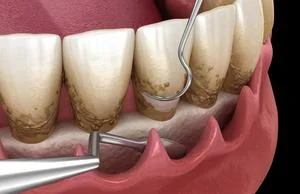
Gum disease occurs when bacterial plaque and tartar accumulate on tooth surfaces, causing infection in the gum tissue. In the gingivitis (early) stage, gums become red, swollen, and bleed during brushing. If left untreated, it can progress to periodontitis, leading to bone loss.
The foundation of treatment is removing bacterial buildup below the gumline. During subgingival curettage, specialized curettes are used to remove infected tissue and tartar from within the gum pockets. The root surface is smoothed to prevent bacteria from reattaching.
In advanced cases, antibiotic therapy or surgical intervention may be necessary. Early diagnosis and regular check-ups are critical in preventing the progression of gum disease.
Who Is This Treatment For?
Anyone experiencing bleeding, redness, swelling, or bad breath should be evaluated for gum disease. Diabetic patients, smokers, pregnant women, and individuals with weakened immune systems are more susceptible to gum disease. Those with a family history of gum disease are also advised to have regular periodontal examinations.
Frequently Asked Questions
What are the symptoms of gum disease?
Gum bleeding, redness, swelling, bad breath, and gum recession are the main symptoms. If you experience any of these, consulting a periodontology specialist is recommended.
What happens if gum disease is left untreated?
Untreated gum disease can progress to periodontitis, leading to jawbone deterioration and tooth loss. Early intervention significantly reduces the risk of permanent damage.
What is subgingival curettage?
Subgingival curettage is the removal of tartar and infected tissue from below the gumline using specialized instruments. It is performed under local anesthesia and usually requires multiple sessions.
How many sessions does gum disease treatment take?
Depending on severity, treatment may take 2 to 4 sessions. Mild cases may be completed in a single session, while advanced periodontitis requires a longer treatment process.
This page is for general informational purposes only and does not constitute medical advice. Always consult a qualified dental professional before starting any treatment.