


Lip Repositioning (Gummy Smile)
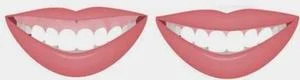
Gummy smile is a condition where the upper gums are excessively visible during smiling. Typically, gum display of 3 mm or more is considered an aesthetic concern. This condition may result from excessive lip mobility, downward growth of the upper jaw, or incomplete passive tooth eruption.
Lip repositioning is a surgical procedure that limits upper lip movement to reduce gum display. During the procedure, a thin strip of tissue is removed from the inner surface of the upper lip, and the lip is sutured into its new position. This results in less upward lip movement when smiling.
The procedure is often combined with laser gum aesthetics for optimal results. The surgery takes approximately 45 to 60 minutes under local anesthesia.
Who Is This Treatment For?
Gummy smile treatment is recommended for individuals who are bothered by excessive gum visibility when smiling. Patients with lip hypermobility causing excessive gum exposure are especially good candidates. Gum health must be in good condition before treatment, with no active periodontal disease. Individuals seeking a permanent solution after trying temporary options like Botox may also choose this procedure.
Frequently Asked Questions
Is gummy smile surgery permanent?
Yes, lip repositioning surgery provides permanent results. In rare cases, slight regression may occur over time; revision is possible if needed.
Does gummy smile surgery leave visible scars?
No, the incision is made on the inner surface of the lip, so there is no visible scarring. Sutures dissolve on their own or are removed within 1 to 2 weeks.
Is Botox an alternative to gummy smile treatment?
Botox is a temporary solution lasting 4 to 6 months. Surgical intervention is recommended for patients who want permanent results. In some cases, Botox is tried first before deciding on surgery.
When can I eat normally after gummy smile surgery?
Soft foods are recommended for the first week. Normal eating can usually resume after 2 weeks. Hot and spicy foods should be avoided in the initial days.
This page is for general informational purposes only and does not constitute medical advice. Always consult a qualified dental professional before starting any treatment.