


TMJ Disorders (Jaw Joint Problems)
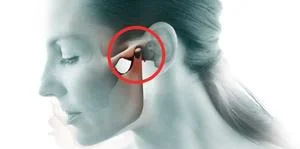
Temporomandibular joint (TMJ) disorders encompass a group of conditions affecting the jaw joints, surrounding muscles, and associated structures. The TMJ is one of the most complex joints in the body, enabling movements required for chewing, speaking, and yawning. When this joint or the muscles controlling it are affected, patients may experience pain, limited jaw movement, and various other symptoms.
Common symptoms include jaw pain or tenderness, clicking or popping sounds when opening or closing the mouth, difficulty opening the mouth fully, ear pain or ringing, headaches, and facial muscle fatigue. The causes are diverse and may include bruxism, trauma, arthritis, disc displacement, stress, and malocclusion.
Treatment is tailored to the specific diagnosis and severity. Conservative approaches form the foundation of therapy and include occlusal splint therapy, physical therapy exercises, anti-inflammatory medications, and lifestyle modifications. In more severe or persistent cases, advanced treatments such as arthrocentesis or surgical intervention may be considered.
Who Is This Treatment For?
TMJ disorder evaluation and treatment is recommended for:
- Patients experiencing persistent pain in the jaw, face, or around the ear area
- Individuals with clicking, popping, or grating sounds in the jaw joint
- People who have difficulty opening their mouth fully or experience jaw locking
- Patients with chronic headaches or earaches that may be related to jaw function
- Individuals whose bite feels uncomfortable or has changed noticeably
Frequently Asked Questions
What causes TMJ disorders?
TMJ disorders can result from bruxism, jaw trauma, arthritis, disc displacement, stress, or bite problems. Often, multiple factors contribute to the condition simultaneously.
Are TMJ disorders serious?
While TMJ disorders are rarely dangerous, they can significantly impact quality of life through chronic pain, eating difficulties, and headaches. Early treatment helps prevent the condition from worsening.
How long does TMJ treatment take?
Most patients experience improvement within 4-8 weeks of starting splint therapy. Complete resolution may take several months depending on the severity and underlying causes.
Can TMJ disorders resolve on their own?
Mild cases may improve with self-care measures such as soft diet, jaw rest, and stress reduction. However, persistent symptoms should be professionally evaluated to prevent progression.
This page is for general informational purposes only and does not constitute medical advice. Always consult a qualified dental professional before starting any treatment.