


Bruxism Treatment (Teeth Grinding)
Bruxism is the involuntary grinding, clenching, or gnashing of teeth that occurs most commonly during sleep but can also happen during the day. This condition affects a significant portion of the population and can lead to tooth wear, fractures, jaw pain, headaches, and temporomandibular joint (TMJ) disorders if left untreated.
The exact cause of bruxism is multifactorial, involving stress, anxiety, sleep disorders, misaligned bite, and lifestyle factors. Diagnosis is based on clinical examination findings such as tooth wear patterns, muscle tenderness, and the patient's reported symptoms.
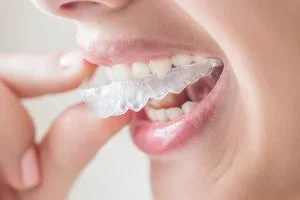
The primary treatment for bruxism is a custom-made occlusal splint (night guard) that is worn during sleep. This device creates a protective barrier between the upper and lower teeth, prevents further wear, and helps relax the jaw muscles. In addition to splint therapy, stress management, sleep hygiene improvement, and bite adjustments may be recommended as part of a comprehensive treatment approach.
Who Is This Treatment For?
Bruxism treatment is recommended for:
- Patients who grind or clench their teeth during sleep, often reported by a partner
- Individuals experiencing worn, flattened, or chipped teeth without an obvious cause
- People suffering from jaw pain, facial muscle soreness, or morning headaches
- Patients with clicking, popping, or locking of the jaw joints
- Individuals under high stress levels who notice jaw tension or tooth sensitivity
Frequently Asked Questions
How do I know if I have bruxism?
Common signs include worn or flattened teeth, jaw pain upon waking, morning headaches, tooth sensitivity, and a partner reporting grinding sounds during sleep. A dental examination can confirm the diagnosis.
Can bruxism be cured?
While there is no definitive cure, bruxism can be effectively managed. Night guards protect the teeth, and addressing underlying factors like stress and sleep quality can significantly reduce grinding frequency.
How long should I wear a night guard?
Night guards are typically worn every night during sleep. The duration of treatment varies; some patients need them long-term, while others may see improvement as contributing factors are addressed.
Can bruxism damage dental work?
Yes, untreated bruxism can damage fillings, crowns, veneers, and other dental restorations. Wearing a night guard helps protect both natural teeth and existing dental work.
This page is for general informational purposes only and does not constitute medical advice. Always consult a qualified dental professional before starting any treatment.