


Fractured Tooth Restoration
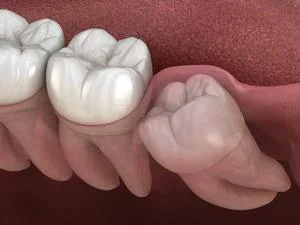
Fractured tooth restorations encompass restorative treatments for teeth damaged by trauma, impact, or biting on hard foods. Different treatment approaches are applied depending on the size and location of the fracture.
For minor enamel fractures, the tooth can be quickly repaired using direct bonding with composite resin. For larger fractures, indirect restoration methods (inlays, onlays, crowns) may be preferred. When the fracture reaches the pulp, root canal treatment is performed first, followed by restoration.
Modern composite materials provide excellent aesthetic results by perfectly matching the natural tooth color. Reattachment of the broken fragment, if available, can also be a treatment option. Early intervention is crucial for preserving the tooth and ensuring treatment success.
Who Is This Treatment For?
Fractured tooth restoration is recommended in the following situations:
- Patients with teeth broken due to falls, impacts, or sports injuries
- Individuals who experience a tooth fracture while biting on hard foods
- Patients who have developed cracks or fractures due to bruxism (teeth grinding)
- Teeth with fractures occurring at the edges of old fillings
- Patients seeking aesthetic repair of fractures in their front teeth
Frequently Asked Questions
Can a broken tooth fragment be reattached?
If the broken fragment is intact and has been stored under proper conditions, it can be reattached. It is recommended to store the fragment in milk or saline solution and visit the dentist as soon as possible.
How durable is a fractured tooth repair?
Restorations made with modern composite materials can last 5 to 10 years or longer with proper care. Regular dental checkups are important.
What happens if a fractured tooth is not treated?
If left untreated, the risk of cavity formation, sensitivity, infection, and even tooth loss increases. Early intervention provides simpler and more cost-effective treatment options.
This page is for general informational purposes only and does not constitute medical advice. Always consult a qualified dental professional before starting any treatment.