


Root Canal Treatment
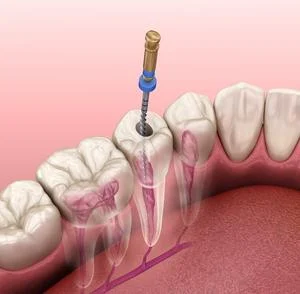
Root canal treatment (endodontic therapy) is a procedure performed when the dental pulp — the nerve and blood vessel tissue inside the tooth — becomes inflamed or infected. The goal is to remove the damaged pulp tissue and preserve the tooth, avoiding extraction.
Deep cavities, repeated dental restorations, tooth fractures, or trauma can damage the pulp tissue. Symptoms may include severe pain, sensitivity to hot and cold, gum swelling, and tooth discoloration.
During root canal treatment, local anesthesia is first administered. A small opening is then made into the tooth, and the infected pulp is carefully removed with specialized instruments. The root canals are shaped, disinfected with antiseptic solutions, and sealed with a biocompatible filling material. Finally, a protective restoration such as a filling or crown is placed over the tooth.
Who Is This Treatment For?
Root canal treatment is recommended in the following situations:
- Patients with deep decay that has caused infection reaching the nerve
- Individuals experiencing severe, spontaneous throbbing toothache
- Patients whose dental nerve has been damaged due to trauma
- Cases where an abscess or fistula has formed on the gum
- Patients whose X-rays reveal infection at the root tip
Frequently Asked Questions
Is root canal treatment painful?
Since the procedure is performed under local anesthesia, no pain is felt during treatment. Mild sensitivity may occur for a few days afterward, which can be managed with pain relievers.
How many sessions does a root canal take?
Depending on the case, it generally takes 1 to 3 sessions. While some cases can be completed in a single visit, more severe infections may require multiple appointments.
Is a crown necessary after root canal treatment?
Teeth that have undergone root canal treatment are more prone to fracture. Therefore, especially for back teeth, a crown is recommended to ensure the long-term durability of the tooth.
Is it better to extract a tooth instead of root canal treatment?
Preserving the natural tooth is always the primary goal. Treating a tooth that can be saved with root canal therapy is more advantageous than extraction, both functionally and aesthetically.
This page is for general informational purposes only and does not constitute medical advice. Always consult a qualified dental professional before starting any treatment.