


Composite Laminate Veneers
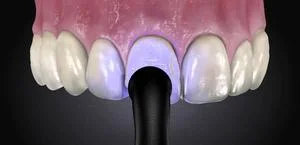
Composite laminate (composite veneer) is an aesthetic restoration method that corrects color, shape, and size irregularities by applying thin layers of composite resin to the front surface of teeth. It offers a more conservative approach than porcelain laminates because it generally requires no tooth preparation or only minimal reduction.
During treatment, special bonding agents are applied to the front surface of the tooth, and composite resin is sculpted using an aesthetic layering technique. Each layer is cured with LED light, creating the natural anatomy and color transitions of the tooth.
Composite laminates are ideal for correcting tooth discoloration, minor crowding, diastemas, chipped or worn teeth, and shape irregularities. The procedure can be completed in a single session, and the fact that it is a reversible treatment is a significant advantage.
Who Is This Treatment For?
Composite laminate is recommended in the following situations:
- Patients dissatisfied with the color, shape, or size of their teeth
- Individuals who wish to close gaps (diastema) between their teeth
- Patients with discoloration that cannot be resolved with whitening
- Individuals looking to correct mild crowding or irregular tooth structure
- Patients seeking aesthetic improvement without tooth preparation
Frequently Asked Questions
What is the difference between composite and porcelain laminates?
Composite laminates are applied in a single session, are more affordable, and generally require no tooth preparation. Porcelain laminates are more durable and stain-resistant but require a laboratory process.
How long do composite laminates last?
With proper care, they last 5 to 7 years or longer. Their lifespan can be extended with periodic polishing and checkups.
Are composite laminates reversible?
Yes, composite laminates applied without tooth preparation can be removed if desired. This is one of the most important advantages of the treatment.
How are composite laminates maintained?
Daily brushing and flossing are sufficient. Avoiding biting on hard foods and visiting the dentist every 6 months for checkups is recommended.
This page is for general informational purposes only and does not constitute medical advice. Always consult a qualified dental professional before starting any treatment.